Mustang: Bold Blackletter for Modern Design
A Typeface with History and Impact
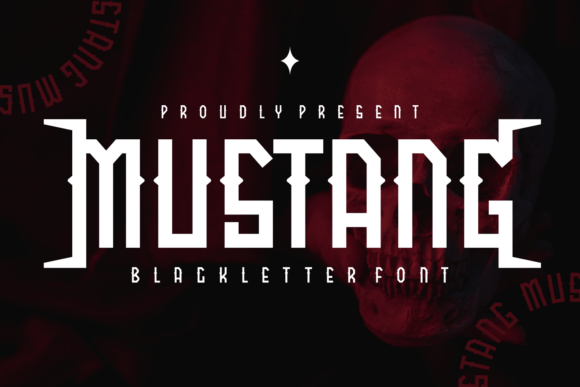
When you need a font that immediately grabs attention and refuses to be ignored, blackletter designs like Mustang are a powerful tool in any designer's kit. This isn't a typeface for body copy or delicate instructions. It's a display font built for moments that demand a strong, impactful presence. Mustang captures the essence of traditional blackletter calligraphy—those sharp angles, intricate details, and bold, dramatic letterforms—while feeling surprisingly relevant for contemporary projects. Its personality is one of strength, tradition, and a certain unapologetic elegance. Think of it as the typographic equivalent of a well-crafted leather jacket: it has roots in history but carries an edge that feels current.
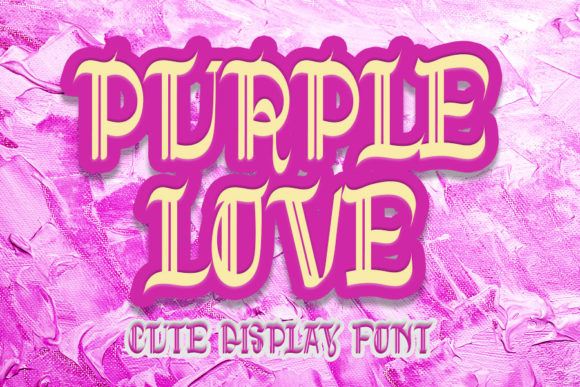
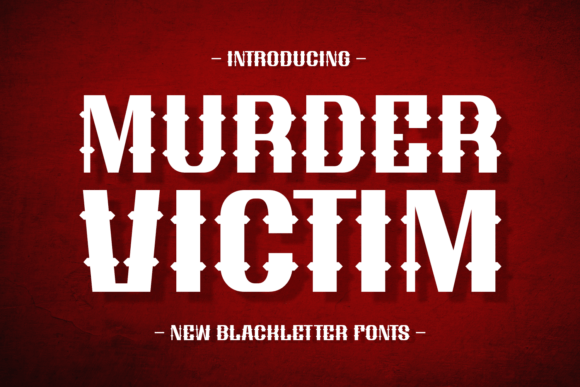
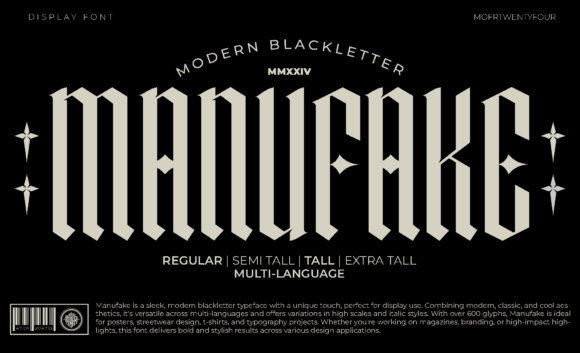
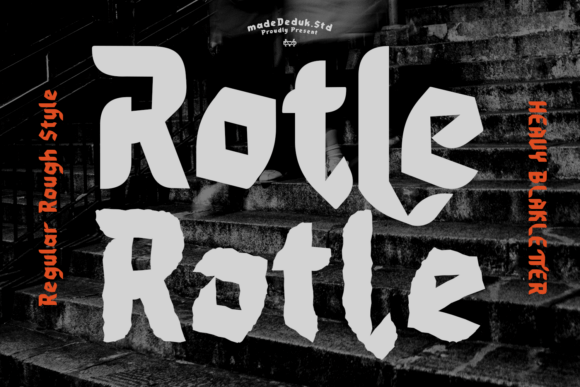
The visual characteristics of Mustang are what set it apart. Each letter is constructed with a sense of weight and precision. The strokes are bold, creating a high contrast that makes headlines pop off the page. You'll notice the sharp, angular terminals and the detailed junctions where strokes meet, giving it a textured, almost engraved quality. This isn't a simple, geometric modern typography; it's a creative font with a story in every curve and serif. The overall appeal lies in this blend of old-world craftsmanship and a clean, assertive form. It doesn't whisper; it makes a statement.
Where Mustang Truly Shines: Practical Applications
Understanding where to use a font like Mustang is key to leveraging its strengths. Its primary role is as a headline or accent typeface. In logo design, Mustang can be the cornerstone of a brand identity for companies in sectors like craft brewing, men's grooming, artisan goods, or any venture wanting to convey heritage, quality, and rugged sophistication. It gives logos an instant sense of establishment and timelessness.
Beyond logos, its applications are surprisingly varied:
- Editorial & Publishing: Use Mustang for chapter titles in a book, magazine mastheads, or section headers in a digital publication. It adds a layer of gravitas and visual interest that draws readers in.
- Packaging Design: On product labels, especially for spirits, gourmet foods, or luxury items, Mustang communicates premium quality and craftsmanship. It makes a product feel special before it's even opened.
- Web & Digital Design: While used sparingly, it can be a stunning hero font for a website's main headline or for key call-to-action buttons. Its bold nature ensures it renders clearly even at smaller sizes on high-resolution screens.
- Social Media & Marketing: In a sea of sans serif and script fonts, a Mustang headline can make a social media graphic or a digital ad stand out dramatically. It's perfect for announcements, event promotions, or quotes that need to feel authoritative.
- Personal & Craft Projects: For hobbyists and crafters, Mustang can elevate wedding invitations, certificates, or custom artwork, giving them a professional, polished feel with a touch of classic style.
The Strategic Role of a Display Typeface
Choosing a font like Mustang isn't just about aesthetics; it's a strategic decision that influences how your audience perceives your message. A premium font with this level of detail can significantly boost visual hierarchy. By setting your most important text in Mustang, you create an immediate focal point, guiding the viewer's eye exactly where you want it. This is crucial for brand perception. Consistently using a strong, recognizable typeface helps build brand identity and professionalism. It tells your audience that you pay attention to details and value quality in your design assets.
However, this power comes with responsibility. Readability is a primary consideration. Mustang is not designed for long paragraphs of text. Its intricate details can become overwhelming if overused. The key is balance. Use it for short, high-impact text elements and pair it with a cleaner, more neutral typeface for body copy. A classic serif font or a clean sans serif font often makes an excellent companion, providing contrast without competing for attention. Testing these font pairings is a non-negotiable step in your workflow.
Making the Right Choice with Mustang
Before integrating Mustang into your project, take a practical approach. First, evaluate the project's fit. Is the tone serious, traditional, luxurious, or edgy? Does the audience appreciate classic design cues? If yes, it's a strong candidate. Next, review the font's included styles. Does it offer the weights or alternates you need? A good commercial font license will provide flexibility for various applications, from print to digital.
Always test it in context. Mock up your headline, your logo, or your packaging label. See how it interacts with your color palette, imagery, and other text elements. Check its performance across different media—does it look as good on a business card as it does on a website banner? This hands-on evaluation is what separates good design from great design. Mustang is a powerful asset, but its true value is unlocked when it's used thoughtfully to serve a specific creative goal, enhancing clarity, emotion, and recognition in your work.